

High-Functioning Doesn't Mean Healthy

People often talk about the problems social media creates, especially comparing our inside to someone else’s outside. Most everything looks grand on Instagram. We now understand people aren’t putting their messy houses, bad hair days and irrational tantrums online, but, they are indeed having them.
The same thing happens in real life. We might put our best foot forward at work. We wouldn’t dare snap at a co-worker the way we snap at our kids. Most of us don’t talk about the sense of overwhelm we feel balancing family, aging parents, jobs and our self-care with the barista at the neighborhood coffee shop. This is especially true for those of us suffering from an addiction. And remember, we’re talking about addictions to anything including perfection, gaming or making money.
The danger with being high-functioning is that we use the fact that our life isn’t falling apart as a reason to deny our addiction. I often thought, ‘It can’t be that bad. I still get to work. I’m not like those other people.’
There were probably a lot of people who were surprised when they found out I was struggling with alcohol. I don’t know if I appeared like I had it all together but I certainly appeared to be functioning. I went to work every day. I wore make-up and clean clothes. My cupboards were always full of groceries. I got together with friends and usually monitored how much I was drinking around them.
But then there was the other side. Having a headache and being dehydrated most mornings. Not feeling comfortable going out in groups without alcohol. Quietly opening that second bottle of wine so no one in the house would hear. Not being able to completely relax in the evenings without a glass of wine. Never feeling comfortable in my own skin. The anxiety that was always under the surface as I worried about money, secrets, and how I was going to keep everything moving along.
This is more evidence that addiction can happen to anyone. It isn’t limited to the unsheltered person we see on the street corner or the old guy belly-up to the bar. doesn’t just affect the incredibly overweight person in line at the fast food restaurant. It’s you, me, our friends and our family members. And it begins as an attempt to soothe pain, numb discomfort or fill an emptiness we don’t know how to face.
That emptiness can come from many places:
We may have been told by our mother we looked fat when we were eight years old and the feeling of disappointing a parent never went away.
It’s possible we were bullied as a teenager and the shame and embarrassment we felt continues to cling to us.
Or maybe we were fired from a job and felt a loss of control over our lives so there’s a constant nagging anxiety that everything we have could be taken away from us.
It’s different for everyone. But I can assure you that everyone has a hole, or emptiness, they’re trying to fill. Some of us just fill it in healthy ways and others with unhealthy habits.
So how can we deal with the pain in a healthy, constructive way?
We can feel the emotions as opposed to burying them.
We can tell someone we trust about something we feel shame over. By the way, it’s usually not nearly as bad as it seems.
We can engage in healthy amounts of self-care like exercise, eating whole foods, getting good sleep and setting boundaries.
We can use affirmations to remind ourselves we’re okay just the way we are, or that we’re perfectly imperfect.
We can journal about what we’re feeling. Writing is magical for me. My brain sees things so clearly when I write.
Or if it’s gone too far, we can seek professional help.

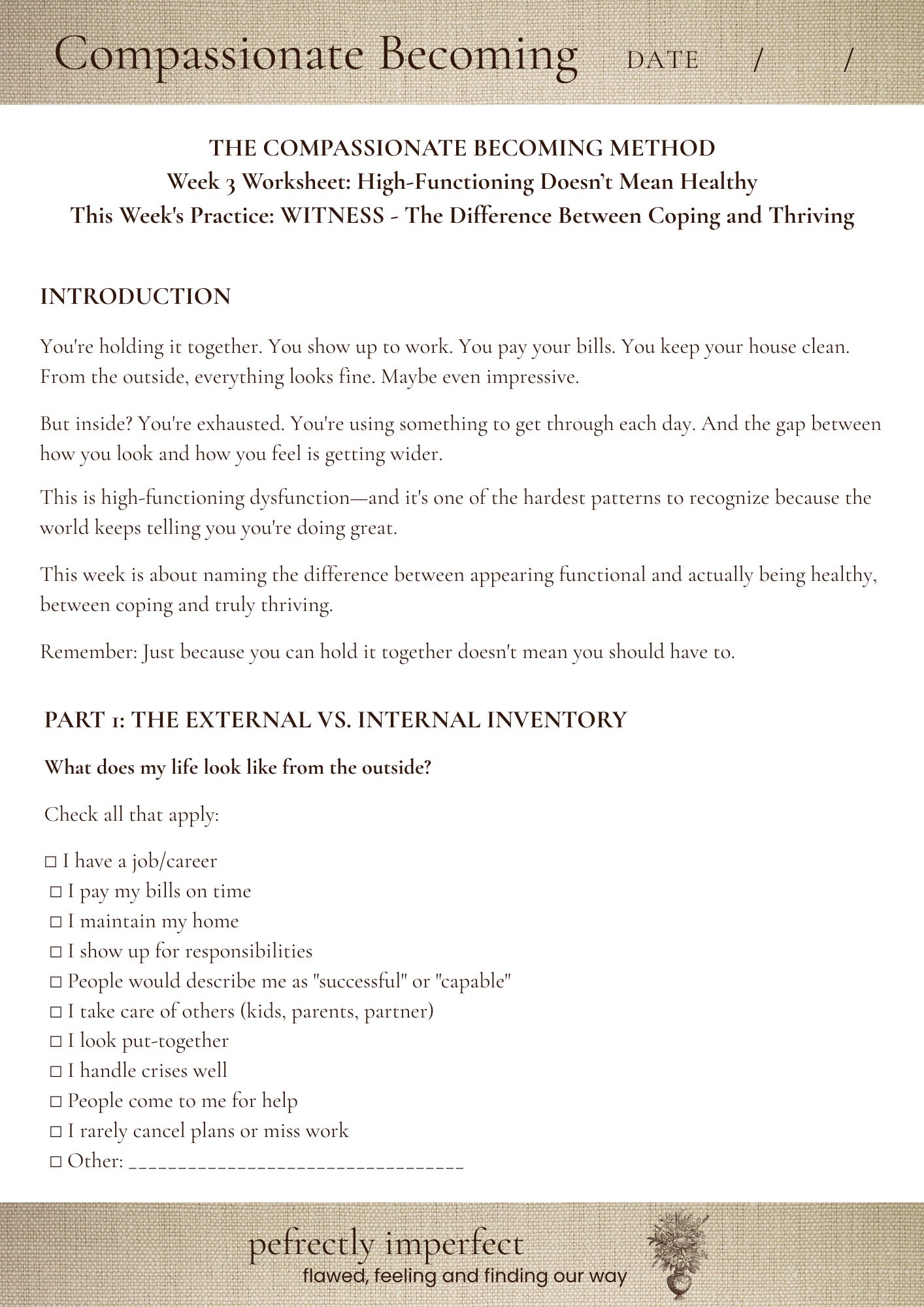
The worksheet that accompanies this post for paid subscribers helps you determine whether or not it’s time for you to reach out for some help to change these behaviors. This can be incredibly helpful if you’ve been having a nagging feeling that something’s out of control but, from the outside, your life seems okay. Here’s a sneak peek at the first page of the worksheet.
There’s always a cost for maintaining a facade:
Sometimes an addiction grows slowly until all of a sudden it’s controlling our lives.
Other times we have physical symptoms like headaches, stomach aches or poor immunity resulting in catching every cold and virus going around our workplace.
We might also feel inauthentic because our outside doesn’t match our inside. This can cause depression or keeping people at arm’s length so they don’t discover the real us.
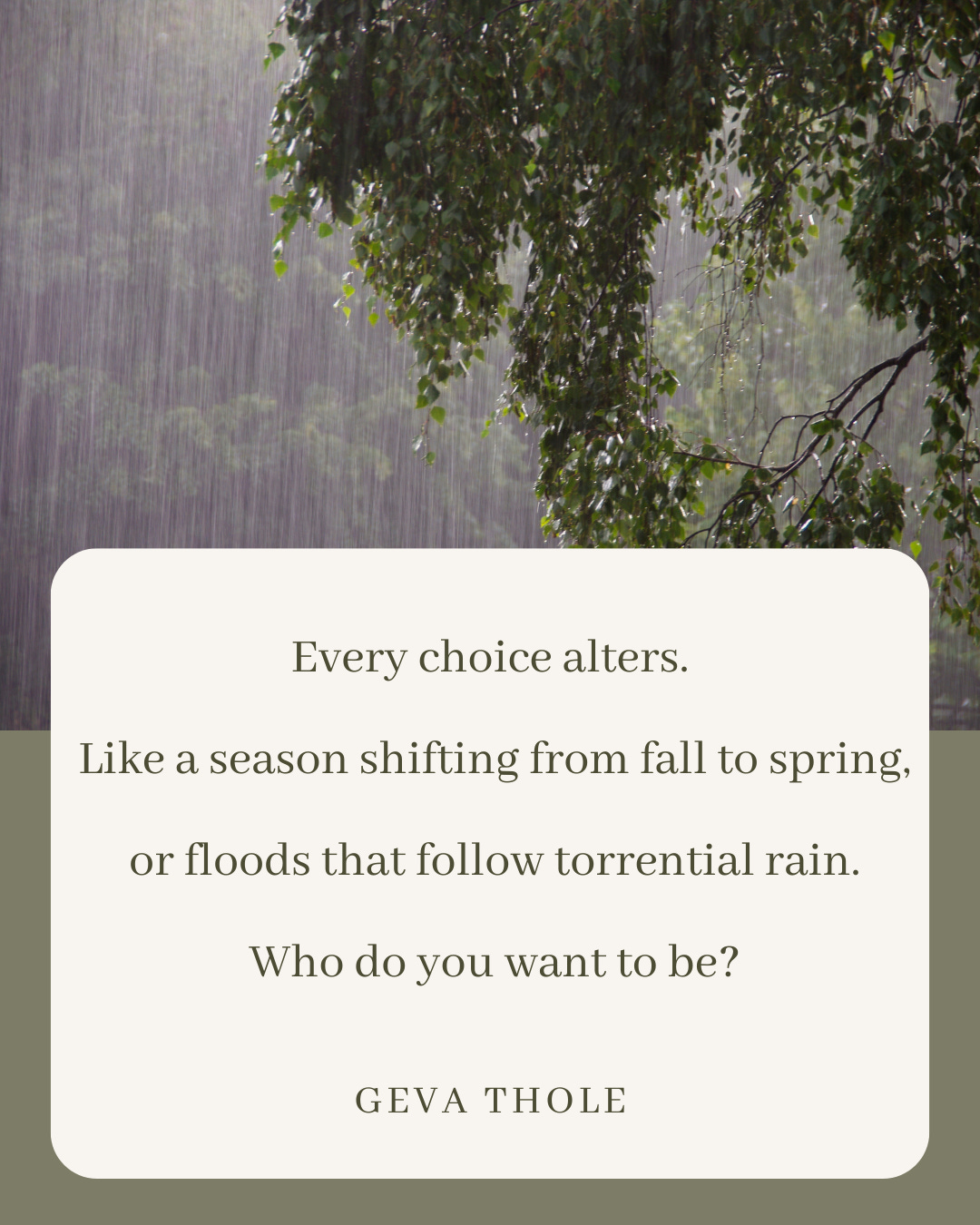
So who do you want to be? It takes courage to substitute healthy coping skills for those that aren’t serving you well. But I can assure you, it’s worth it. You’ll never be perfect but discovering the ways you’re sabotaging your happiness is the first step in living an authentic life you can be proud of.
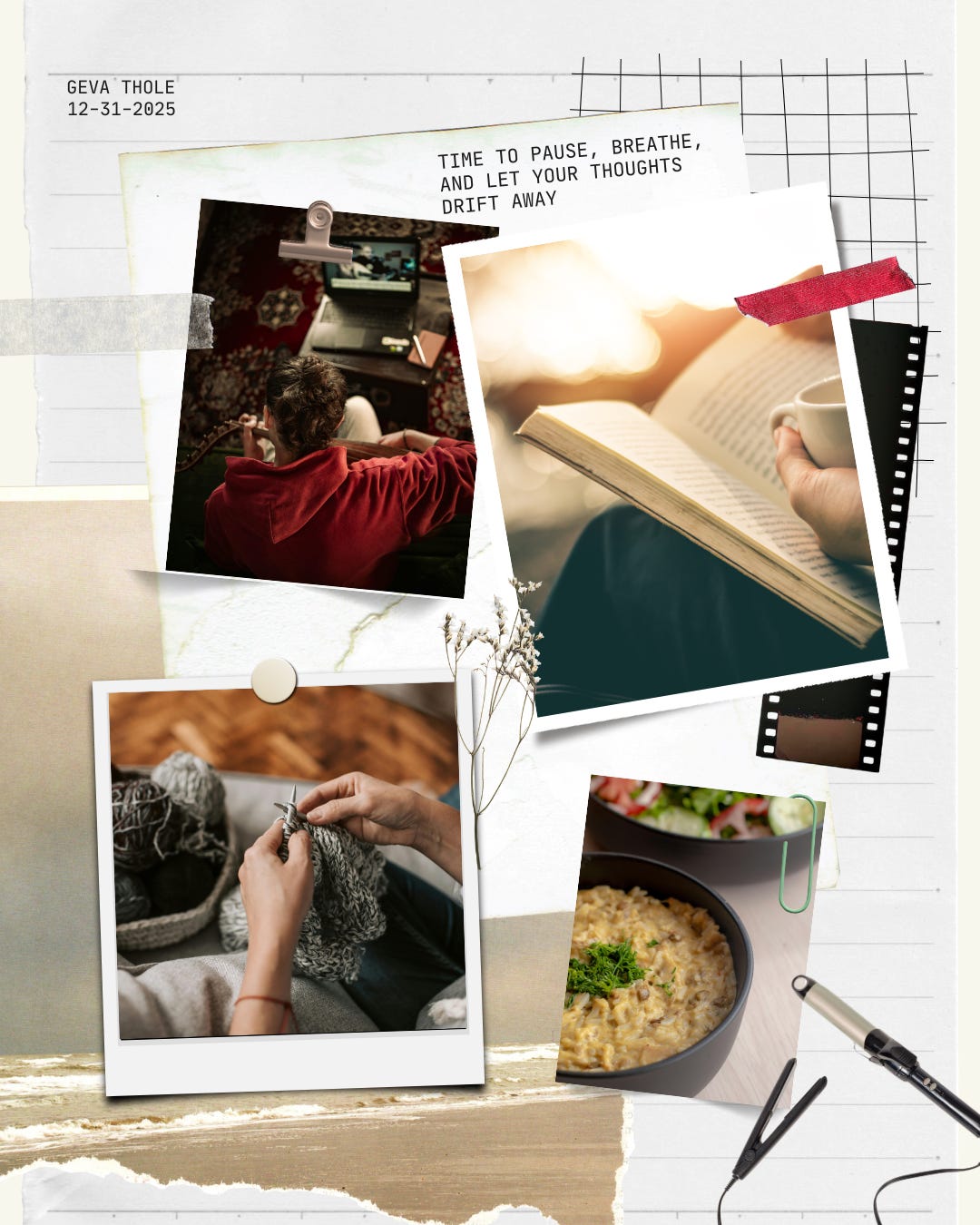
These posts can be a bit heavy so I want to end on a light note. The past couple weeks have been wonderful for me. I enjoyed a beautiful holiday with family. We laughed and treasured the time spent watching the little ones celebrate Christmas. I spent time with friends. I read fiction, just for fun. I exercised. I cooked and enjoyed good food. I napped. I knitted. I planned ways to spread and share this newsletter.
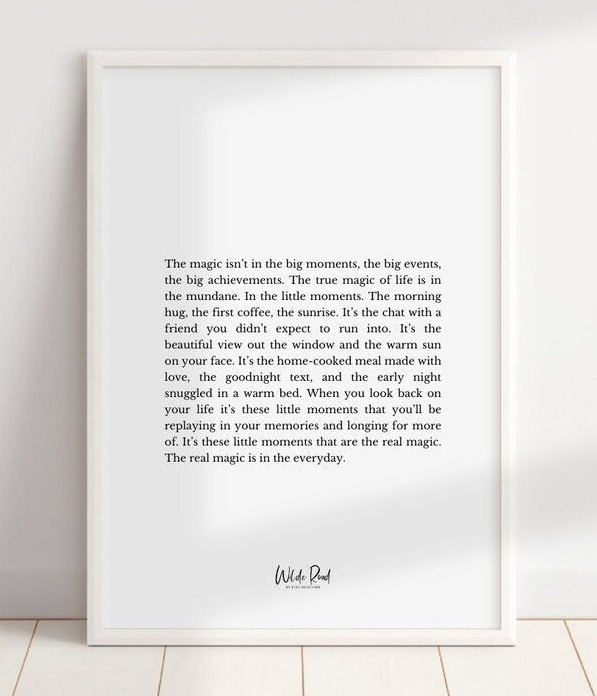
I enjoyed life’s simple treasures. It reminds me of the print I have hanging in my living room. It was created by a fellow writer on Substack, Lisa Bauscomb. I love its message. Here’s a link to her shop, Wilde Road, in case you’re interested in exploring more of her work..

This week I’m sharing resources for addictions in case you, or someone you know, would like to reach out for some help.
Please feel free to share this newsletter with them if you believe they’d find it helpful.
Sending good wishes for a safe, peaceful happy new year. Until next week.
XOXO,
Geva

Paid subscribers, you are the reason this newsletter exists. Thank you! Here’s the worksheet I promised you. I hope you find it helpful.
